Why Ongoing Technical Support Is Critical in Wastewater Treatment
Haviland Products Company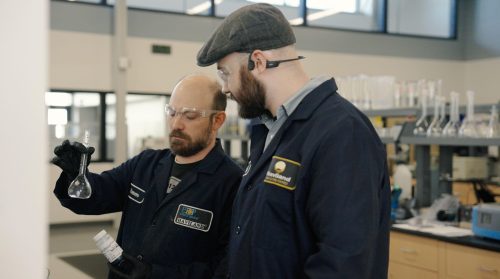
Most wastewater treatment programs don’t fail because of a single error or bad decision.
They drift.
A system that once performed well slowly becomes inconsistent. Chemical demand increases, clarifier performance declines, and operators begin making more frequent adjustments just to maintain compliance.
In many cases, the root issue isn’t the chemistry itself. It’s the lack of ongoing technical support behind the program.
Wastewater Systems Are Always Changing
No wastewater system operates under fixed conditions.
Day-to-day performance is influenced by:
> Changes in influent loading
> Production variability
> Temperature fluctuations
> Shifts in upstream processes
> Seasonal or operational changes
A treatment program that works under one set of conditions may not perform the same way a few weeks later.
Without regular evaluation and adjustment, even a well-designed program will fall out of alignment with the system. That costs the plant unnecessary chemical spend, or in extreme cases, notice of violation (NOV) fees.
The Problem with “Test and Leave”
Many wastewater programs are built around a one-time evaluation.
A supplier performs jar testing once, recommends a product, and the program is put in place. From there, operators are expected to maintain performance on their own.
This approach often leads to:
> Short-term improvements followed in many cases by gradual performance decline
> Increasing chemical usage over time to maintain performance
> More operator intervention and troubleshooting required
> Reactive adjustments instead of proactive optimization
Over time, the system becomes harder to manage and more expensive to operate. These inefficiencies might not even show up in the price of a single chemical but rather compound across the entire treatment system. What might seem like business as usual is actually a major opportunity for savings across the entire system.
What Ongoing Technical Support Actually Looks Like
Effective wastewater treatment programs are not static. They require continuous involvement. Having a supplier that can provide ongoing support is the secret sauce to optimizing a system, avoiding unnecessary fire drills, and keeping overall spend down over an extended timeframe.
So, what can you expect from a partner that provides this ‘ongoing technical support’:
> Collaboration with operators to identify issues early
> Consistent monitoring for trends in performance and chemical demand
> Adjustments based on real operating conditions
> Follow-up testing and system evaluations
This is where the combination of lab testing and field support becomes critical.
Testing alone can identify potential solutions. Field involvement ensures that solution continues to work under real conditions – or an alternative program is put in place.
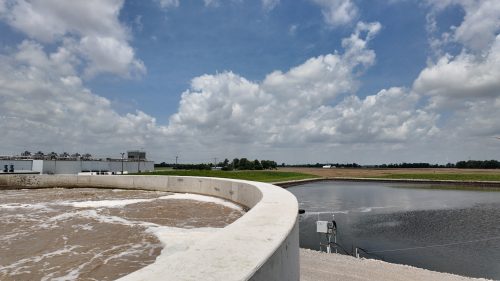
A Midwest meat processor running a new activated sludge system saw this firsthand. After each process change, Haviland's technical team frequently returned the next day to evaluate how the system responded, especially through cold weather and shifting production loads. As the facility's Water Systems Supervisor put it, "Once you make a change, it's nice to have someone come back the next day to see how it responded."
The Impact on Cost and Compliance
When technical support is built into a wastewater treatment program, facilities see more consistent results.
For one Haviland customer with inconsistent system conditions, that approach helped reduce total wastewater treatment costs by 18%.
Added technical support often leads to:
> Reduced overall chemical demand
> Improved clarifier performance
> Greater compliance stability
> Less variability in effluent quality
> Reduced need for constant operator intervention or last-minute chemical purchases
From Reactive to Controlled Operation
One of the clearest differences between programs with and without technical support is how the system behaves over time. Operators are able to maintain control of the system, rather than reacting when a problem arises.
Without support:
> The system is reactive
> Operators adjust frequently
> Performance fluctuates
With ongoing support:
> The system becomes stable
> Adjustments are intentional
> Performance is predictable
Final Thoughts
Wastewater treatment isn’t a one-time decision. It is an ongoing process that evolves with the system. If the relationship between the facility and the chemical supplier is simply transactional, performance issues and increased costs are bound to follow.
Programs that include continuous technical support perform better because they adapt, adjust, and improve over time.
Facilities that treat wastewater as a dynamic system, rather than a fixed process, are better positioned to maintain compliance, control costs, and operate with confidence. That shift alone can significantly reduce both cost and risk.