How to Improve Clarifier Performance and Prevent Solids Carryover
Haviland Products Company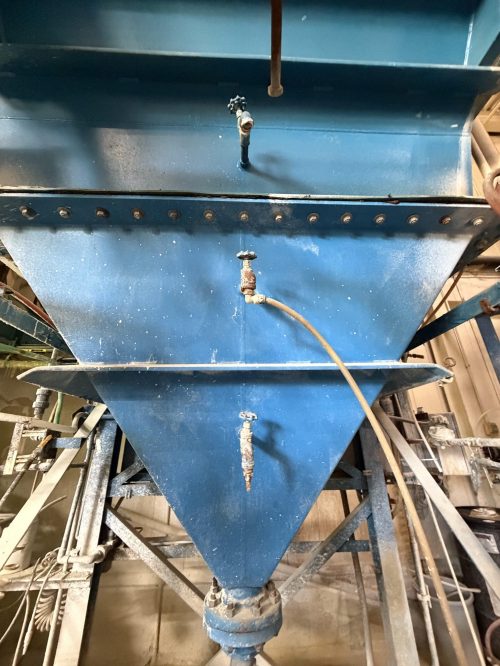
Inclined plate settling clarifiers are extremely common in industrial wastewater treatment. They are a great way to settle solids quickly in a compact footprint. Other than floc mixers, there are no moving parts. By using a series of inclined plates, the effective settling area is multiplied and will perform as well as a conventional clarifier 10 times its size. They are effective and easy to maintain in comparison to other clarification technologies.
That said, operators cannot just ignore the clarifier. There are several areas critical to maintaining solids removal and prevention of carryover or passing solids into the final effluent. The following tips will help optimize your clarifier and prevent an accidental exceedance due to carryover.
Sizing
We often hear wastewater plants say “my clarifier is rated at 100gpm, so why is it carrying over at 85gpm?” The customer is right in a way here. The clarifier was likely designed for a certain flow rate but was likely based around plant and water conditions at the time of installation. The production makeup and waste makeup have likely changed since then.
Clarifier flow capacity is based on two main factors, the settling area and the surface overflow rate. The settling area is straightforward, and is a function of the number of plates, their surface area, and the plate angle. The surface overflow rate is based on the specific gravity of the solid and the amount of solids. So, if your waste has changed and it is lighter, it will be more prone to carryover. Or, if the amount of solids coming into the clarifier has increased, carryover is also more likely.
Chemistry
Since the surface overflow rate is based on the specific gravity and amount of the solids, making a chemical change can improve the clarifier. For example, moving from a dry commodity to a specialty coagulant will reduce the amount of sludge/solids generated. Or moving from straight hydroxide precipitation to using an organic metal precipitant, will generate heavy solids that will settle faster.
A change in chemistry can be modeled out by a complete review of the wastewater system along with jar testing.
Sludge Bed
Maintaining a proper sludge bed in the clarifier is also important. The height of the bed is critical to preventing carry over. Too low of a bed, you will lose out on a filtration effect. The flow of most inclined plate clarifiers will have some contact of the inbound waste with the sludge bed. The inbound floc will combine with the sludge and prevent small fines from carrying over.
If your sludge bed is too high, the whole bed might puke over. It is time to increase wasting.
Luckily most clarifiers have sludge ports, so you can gauge the bed height. This allows the operator to adjust based on the conditions of the waste. Fine solids carrying over and a low bed = decrease wasting. A high sludge bed and large solids passing through = increase wasting.
Cleaning
Another contributor to carryover is the cleaning frequency of the clarifier. Cleaning should be done on a planned maintenance basis. The frequency will be driven by plant conditions. We usually recommend at least monthly cleaning, with some plants cleaning weekly.
Keeping the plates clean will keep them from being sticky. Instead of the solids sliding down the plates, they will agglomerate and likely pass through. Or even worse, the agglomerations will grow bacteria.
Most wastewater is warm, has food for bacteria, and has the bacteria to begin with. Solids sitting on plate too long will provide the perfect home! This is often noticed from bubbles in the top of the clarifier, black sludge, rotten egg smell, and of course solids carrying over. In extreme cases, the clarifier is damaged from the bacteria becoming corrosive. Regular cleanings will prevent this. In some cases, cleaning with bleach will be part of the PM.
Final Thoughts
Inclined plate clarifiers are common for a reason. They pack high settling efficiency in a small footprint without a lot to maintain. To get the most (clean water) out of your clarifier, follow a few key steps. First make sure it is sized correctly, especially if you have had changes in production or other chemistry. A new clarifier may not be in the budget, but improving your chemical program and regaining your efficiency is crucial.
Be sure to maintain the proper sludge bed. If you have them, get used to using your sludge ports. Lastly, keep the clarifier clean and free of excessive biology.